6 English Songs for Beginner Kids: Activities Before and After Listening
A familiar tune can give you an easy way to share a few English words. These six British Council songs come with an activity before and after listening, from acting out a bus ride to following rain and sun. Use one listening target at a time, with no need to sing every line.
- Learning language
- English
- Age
- Ages 3–10


A repeated action or familiar picture can give a beginner something to follow. Demonstrate the meaning first and explain the game in your home language if needed. Listening for one color is enough; singing every line is optional. You can also listen simply for enjoyment.
Listen on the official British Council page. Focus: actions and body words.
Before: Demonstrate clapping, or show a toy clapping. Choose that one action to notice.
After: After listening, say “Clap your hands” and let your child clap, gesture or move the toy. Swap roles.
You can join one action without singing the words.
Listen on the official British Council page. Focus: transport and repeated actions.
Before: Show a toy bus or draw one. Move your hands in a wheel motion and explain what to listen for.
After: Make a bus from a box or drawing. Reuse one familiar motion, then let your child choose which bus action you act out.
Keep just one part if the changing verses are too much.
Listen on the official British Council page. Focus: animal names.
Before: Draw two familiar animals. Say their English names and choose one to listen for.
After: Ask which animal your child noticed. Point to its drawing, then swap roles so your child gives you an animal clue.
An animal sound is optional; naming or pointing works too.
Listen on the official British Council page. Focus: a short sequence: rain, then sun.
Before: Draw rain and sun. Explain that you will listen for which appears first.
After: Put the drawings in the song’s order. Move a finger spider up, down and up again, or let a toy follow the sequence.
Finger movements and singing are optional.
Listen on the official British Council page. Focus: colors.
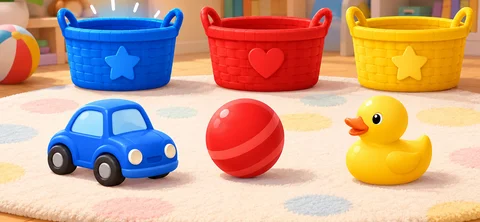
Before: Choose two colored objects, such as a blue cup and a yellow toy. Name the colors.
After: Invite your child to hold up or point to an object when its color appears on a replay. Then let them choose a color for you to find.
Choose one or two colors; no need to learn the whole list.
Listen on the official British Council page. Focus: everyday actions.
Before: Mime a familiar morning action, such as washing your face. Explain that the song includes morning actions.
After: Draw two or three morning actions and arrange them in your own routine. Mime or name each one.
Your family’s routine does not have to match the song.
Choose one target and show what it means. A drawing, object or gesture is enough. Ask for one clear response, such as pointing to blue or choosing the animal they heard.
Repeat an action, draw an event or let your child choose your next clue. For more word practice, try colors, animals or body parts. For a different kind of listening, share a short story.
Reduce the target to one word or action. Pause or stop if your child cannot follow the game or no longer wants to listen. The song can stay an enjoyable recording without becoming a vocabulary task.
Open each recording on its British Council page. Its Level 1 label is the provider’s description, not a promise that every beginner will follow every verse. Availability and player behavior can vary by device. The recordings and song lyrics belong to their rights holders.
Songs offer repeated language, rhythm and actions to share. The 2024 review listed in Sources examined 60 song-based language studies across ages 2–18 and found that the methods did not support firm causal conclusions about language outcomes. These suggested follow-ups are home activity ideas, not a tested program or a guarantee of vocabulary gains.