3 короткие английские истории для начинающих детей: слушайте и читайте вместе
Собака приносит не то, банан становится шляпой, а рыба получает неожиданный подарок. Поделитесь с ребёнком тремя короткими историями с полным текстом, картинками и аудио. В каждой — несколько слов для внимания, два вопроса и способ пересказать события без самостоятельного чтения.
- Изучаемый язык
- английский
- Возраст
- Возраст 3–10

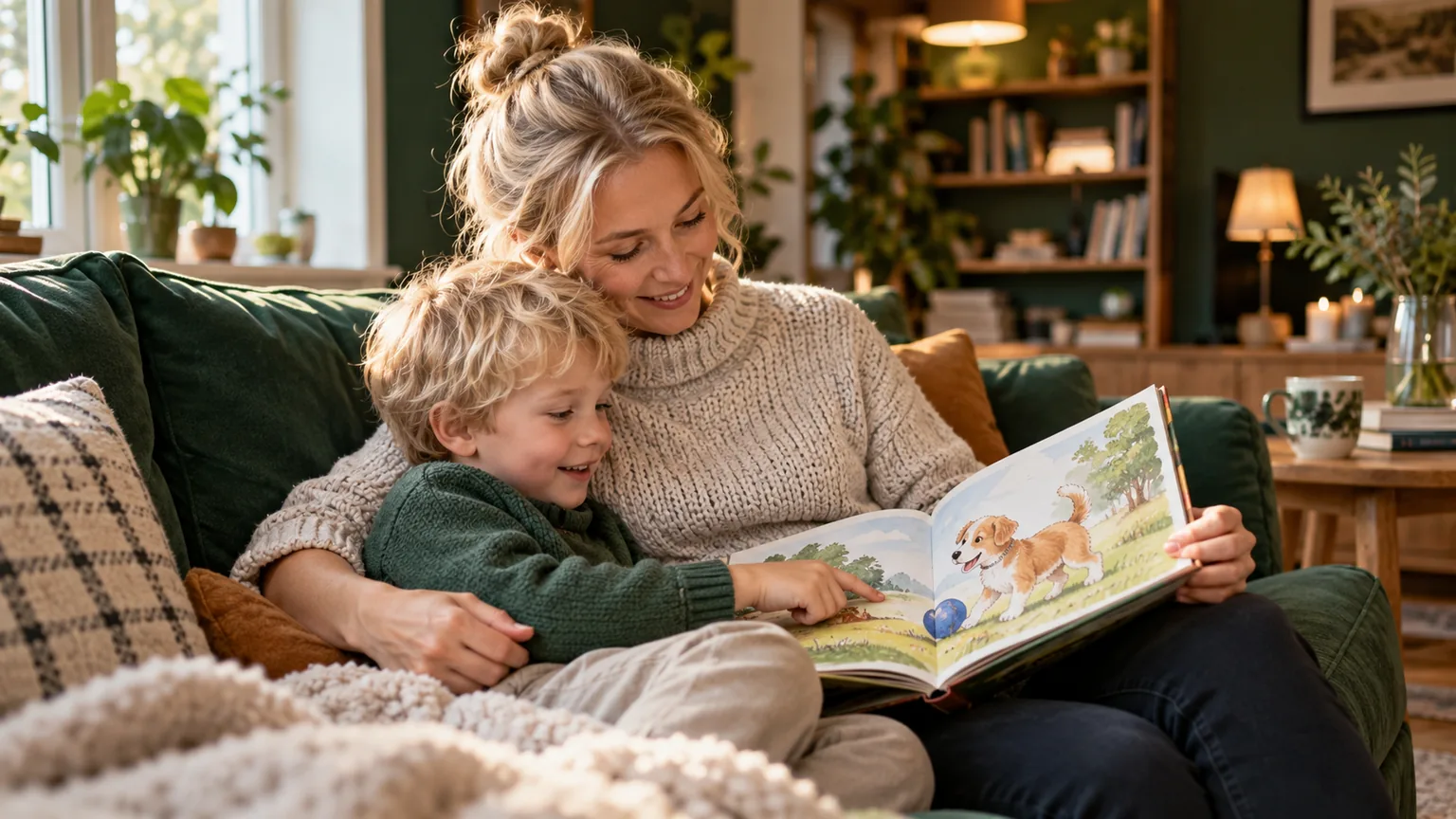
Посмотрите на картинку и при необходимости объясните ситуацию на домашнем языке. Включите одну историю или делайте паузы между событиями при чтении. Ребёнок может показывать жестом вместо чтения вслух. Выберите два-три полезных слова для внимания; остальные объясняйте лишь по необходимости для сюжета.
Каждый плеер озвучивает полный текст истории под ним. Аудио начинается только после нажатия воспроизведения. После прослушивания попробуйте два вопроса, принимая жесты или ответ на домашнем языке.
Расшифровка
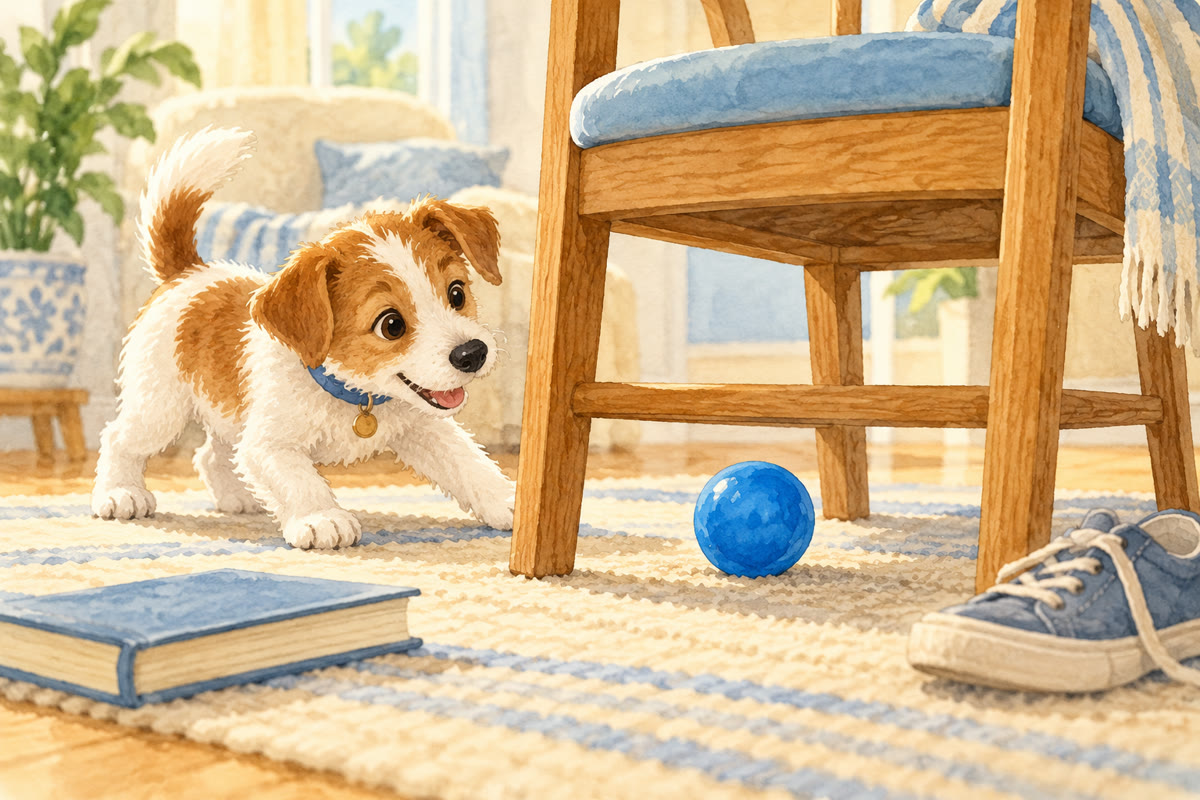
Maya has a blue ball. Her dog, Pip, loves the ball too. “Ready, Pip?” Maya asks. She throws the ball. Pip runs fast. The ball rolls under a chair. Pip comes back with a shoe. Maya laughs. “That is a shoe. Where is the blue ball?” Pip runs away again. This time he comes back with a book. “That is my book!” says Maya. “Where is the blue ball?” Pip puts his nose under the chair. He jumps back. Then he barks. Maya looks under the chair. The blue ball is there. “Good dog, Pip!” Maya reaches for the ball, but Pip is faster. He takes it and runs to the door. Maya laughs again. “Now I know where the blue ball is!”
Maya has a blue ball. Her dog, Pip, loves the ball too.
“Ready, Pip?” Maya asks.
She throws the ball. Pip runs fast. The ball rolls under a chair.
Pip comes back with a shoe.
Maya laughs. “That is a shoe. Where is the blue ball?”
Pip runs away again. This time he comes back with a book.
“That is my book!” says Maya. “Where is the blue ball?”
Pip puts his nose under the chair. He jumps back. Then he barks.
Maya looks under the chair. The blue ball is there.
“Good dog, Pip!”
Maya reaches for the ball, but Pip is faster. He takes it and runs to the door.
Maya laughs again.
“Now I know where the blue ball is!”
Обратите внимание на ball, blue, dog и shoe. “Under the chair” говорит, где Maya находит мяч.
Два вопроса:
- Что Pip приносит первым? A shoe.
- Где Maya находит синий мяч? Under the chair.
Расшифровка
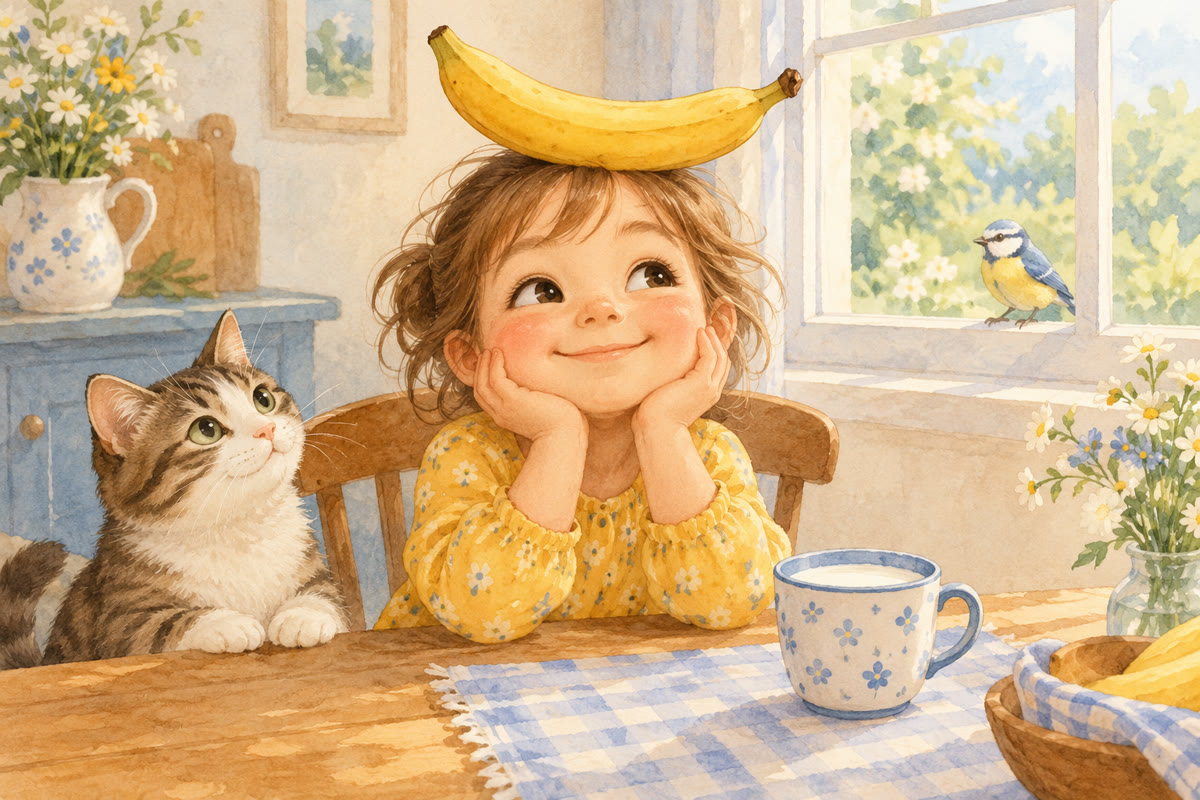
Leo is hungry. He has a yellow banana and a cup of milk. His cat, Coco, sits by the table. Leo puts the banana on his head. “Look, Coco. I have a banana hat!” Coco looks at Leo. Coco does not laugh. A little bird lands on the windowsill outside. Leo points to his head. “Banana hat!” The bird looks at Leo. Then it hops along the windowsill. Coco stands up. The bird hops again. Coco jumps too. Leo turns to watch them. Plop! The banana falls from his head and lands in his empty hand. Now Leo laughs. Coco looks at the banana. The bird looks at the banana. “No,” says Leo. “It is not a hat now. It is my snack.” He peels the banana. Coco sits down. The bird flies away. Leo takes a bite and says, “Yellow hats are delicious.”
Leo is hungry. He has a yellow banana and a cup of milk.
His cat, Coco, sits by the table.
Leo puts the banana on his head.
“Look, Coco. I have a banana hat!”
Coco looks at Leo. Coco does not laugh.
A little bird lands on the windowsill outside.
Leo points to his head. “Banana hat!”
The bird looks at Leo. Then it hops along the windowsill.
Coco stands up. The bird hops again. Coco jumps too.
Leo turns to watch them.
Plop!
The banana falls from his head and lands in his empty hand.
Now Leo laughs.
Coco looks at the banana.
The bird looks at the banana.
“No,” says Leo. “It is not a hat now. It is my snack.”
He peels the banana.
Coco sits down.
The bird flies away.
Leo takes a bite and says, “Yellow hats are delicious.”
Заметьте banana, yellow, cat и bird. Windowsill — узкий выступ в нижней части окна.
Два вопроса:
- Что Leo кладёт себе на голову? A yellow banana.
- Что происходит с бананом? It falls into his hand, and he eats it.
Расшифровка
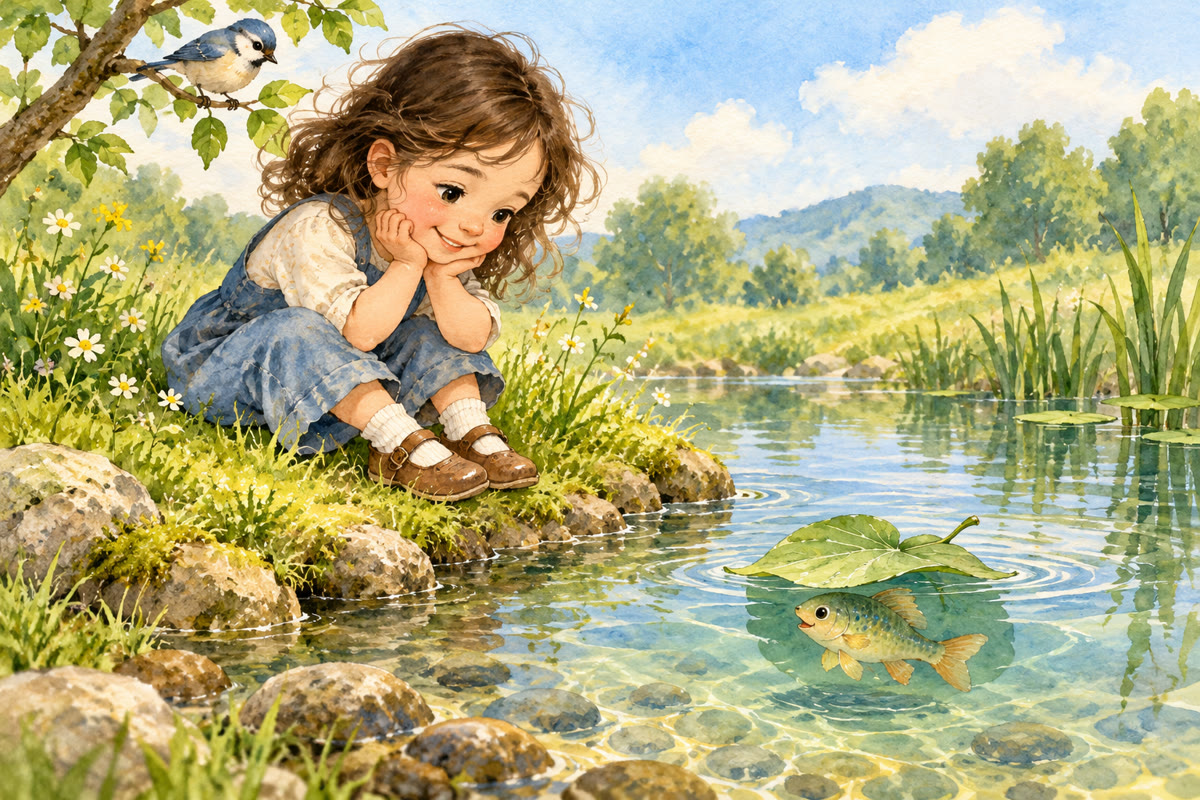
Nina sits by a small pond. One shoe and a green leaf are next to her foot. A fish swims close to the water’s edge. Nina lifts the shoe. “This is my shoe,” she says. The fish opens its mouth. “Do you want a shoe?” Nina asks. A bird on a branch looks down at them. Nina holds the shoe near the water. The fish swims in a little circle. “But you do not have a foot,” Nina says. She shows the fish her foot. The fish splashes. The bird makes a loud sound. Nina thinks. Then she puts the shoe back on her foot. She picks up the green leaf and puts it on the water. The fish swims under the leaf. “A green hat!” says Nina. The fish swims around with the leaf above it. Nina laughs. “No shoe for you. But that hat looks good.”
Nina sits by a small pond. One shoe and a green leaf are next to her foot.
A fish swims close to the water’s edge.
Nina lifts the shoe.
“This is my shoe,” she says.
The fish opens its mouth.
“Do you want a shoe?” Nina asks.
A bird on a branch looks down at them.
Nina holds the shoe near the water. The fish swims in a little circle.
“But you do not have a foot,” Nina says.
She shows the fish her foot.
The fish splashes.
The bird makes a loud sound.
Nina thinks.
Then she puts the shoe back on her foot. She picks up the green leaf and puts it on the water.
The fish swims under the leaf.
“A green hat!” says Nina.
The fish swims around with the leaf above it.
Nina laughs. “No shoe for you. But that hat looks good.”
Заметьте fish, shoe, foot и leaf. Nina кладёт лист на воду.
Два вопроса:
- Почему Nina оставляет свой ботинок себе? The fish does not have a foot.
- Что становится шляпой рыбы? A green leaf.
Текст рядом с каждым плеером — полная расшифровка; также можно открыть «Расшифровка» под плеером. Рассказ озвучен сгенерированным голосом. Сначала послушайте историю целиком, затем повторите или прочитайте любимую часть. Повторять каждое предложение не нужно.
Задавайте два вопроса рядом с историей после её окончания. Если ответить трудно, вместе вернитесь к нужному моменту. Ребёнок может показать, нарисовать или использовать знакомое слово; вопросы не открывают доступ к следующей истории.
Pip путает, что принести
- Цель
- Расположите события первой истории по порядку.
- Подготовка
- Ботинок, книга и мяч или их рисунки.
Шаги
- Прочитайте или включите Where Is the Blue Ball?
- Разложите три предмета или рисунка вперемешку. Спросите, что Pip приносит первым.
- Разложите по сюжету: shoe, затем book, затем ball. При необходимости вернитесь к истории.
- Разыграйте одно событие. Предложите “Where is the blue ball?” или пусть ребёнок показывает, пока вы произносите.
- Помощь взрослого
- Оставляйте предметы видимыми. Это пересказ в игре, а не проверка памяти.
- Упрощённый вариант
- Предложите только shoe и ball, затем добавьте book.
В другой день нарисуйте банановую шляпу Leo или двигайте бумажный лист над нарисованной рыбой. Можно присоединяться к повторяемой реплике, показывать знакомое слово или просто слушать снова. Попробуйте песни с действиями, если ребёнку хочется сменить темп.
Это оригинальные истории Nativik для совместной практики английского начинающими. British Council рекомендует наглядную поддержку и повторное чтение знакомых историй. Обзор Cochrane и структурированное норвежское дошкольное исследование в «Источниках» относятся к более широким вмешательствам, а не этим историям. Они не устанавливают конкретный прирост знаний от этой подборки.